12/5.6 Voigtlander Aspheric Ultra-Wide Heliar: The widest production lens ever made for 35mm cameras went on sale in Japan 9/1/2000, made in Leica screw mount. Not rangefinder coupled, it is sold with superb quality aspheric finder, a detachable metal black crinkle paint lens hood, and a front cap that fits over the outside of the lens hood. Smallest aperture f/22. Accessories include a black crinkle metal 77mm filter attachment which replaces the regular lens hood, and an ingenious “spirit bubble level” intended to be mounted along side the accessory finder on the Voigtlander double accessory shoe. Available in chrome or black. Made in Leica screw mount, add a bayonet adapter for your M.
15/4.5 Voigtlander Heliar Aspheric, made by Cosina. This new 1999 Japanese made lens offer amazing quality for the money, and is the only 15mm ever made in LTM mount. Of course, add the bayonet adapter for your M.
15/8 Zeiss Hologon made in Leica M mount by Leica 1972-1976. This is a very rare and exotic lens. Boxed mint examples have sold for as high as $15,000 when the market was at its highest. Not a shooter lens, at least not for most of us. Per van Hasbroeck, production only 350.
15/11-22 Panomigon Late 1999 saw the introduction of the French made PANOMIGON 15MM – f / 22. It’s a f/11 lens with a fixed effective aperture of f/22, selling for about twice the price of the much faster 15/4.5 Voigtlander Heliar. Perhaps I am missing something here, but at that price I don’t see the point for such a slow lens.
16/8 Hologon Contax G conversion Various conversions from Contax to M mount are showing up, for different prices. Some are better than others. See it before you buy to make sure you are satisfied with the conversion. An outstanding lens. But the conversion seems silly to me, since it’s cheaper just to use the lens on a Contax body, which also gives you a host of features not found on the M’s.
21/2.8 ASPH Aspherical elements from 1997. This lens has got great reviews. Presumably it is the best performer of all Leica M 21’s. Happily, it is only very slightly larger than its predecessor. Black or chrome.
21/2.8 Elmarit 1982 to 1997, discontinued with the intro of the 21/2.8 ASPH. Black M mount only. Usable on the M6 for TTL metering. Most shooters seem to prefer the
21/3.4 over the non-aspheric 21/2.8 Elmarit due to the 3.4’s smaller size. Their performance is so close that both have supporters claiming one is better than the other.
Earlier version allows non RF coupled focusing from 28 to 16 inches
Later version only allows RF focusing from 28 inches
21/4 Super Angulon 1958-1963, all chrome lens. Made in M and screw mount versions. M mount lenses were made with a screw mount adapter, which could be removed by turning a tiny screw. It was thus usable on the screw mount bodies. Too bad ALL M mount lenses are not so made!!! This lens has the poorest reputation of all Leitz 21 lenses, but can still be a good performer from f/8. Will not meter with the M6 due to deep set lens. Its special rear cap and hood are hard to find. Likely to be encountered fogged from original owner, see Fogging.
21/3.4 Super Angulon 1963-1980 M mount only. Will not meter with the M6 due to deep set lens. Its special rear cap and hood are hard to find. Much smaller than the
21/2.8, many photogs prefer it, a very sharp lens. Prior to the 21 ASP, this lens had the reputation as being the best of the Leitz 21’s. Some still prefer it to the 21 ASP
All chrome version
Black chrome version. Per van Hasbroeck, an improved lens recomputed lens.
Black chrome version with M5 cutout for meter flag from # 2473251.
21/2.8 Contax G conversion Remember the 15/8 Contax conversions? The same clever people will convert 21’s too. Same warnings apply. An outstanding lens, certainly comparable to Leica’s best. However, a waste of money unless you are a Zeiss fanatic, considering Leica’s 21/2.8 ASPH.
21/2.8 Kobalux aka Bower aka Adorama. Nicely finished chrome lens with good finder, very small and lightweight and priced right. of course add the bayonet adapter.
21/4 Voigtlander Color Skopar, introduced at Photokina 2000, small lightweight multi-coated screw mount lens with great brightline finder, unusual close focusing, and VERY quick lever action throw from infinity to close, a good choice for the most for the least in the 21 focal length. Users report outstanding performance.
21-35 f/3.4-4 Konica M, for Konica Hexar RF, announced February 2002 for sale in March 2002, this is a dual focal length 21 or 35 lens, it is not a zoom as you turn a ring to select either the 21 or 35 focal lengths, limited edition of 800 lenses, 21 viewfinder supplied with lens, list price about $1550
24/2.8 ASPH introduced in 1997, this is a new, long overdue focal length for the M series. Many photogs choose the 24 as their most useful super wide. Only one version so far, sharp, and relatively expensive as you might expect. Note the 24 finder(and lens) is the best ever made for the 24/25 focal length for any Rangefinder. You could use the viewfinder with other lenses. Black only. If you want only one wide angle lens, this 24 gets my vote.
25/4 Voigtlander Skopar made by Cosina. This new 1999 lens offers great performance for the money. Made in LTM mount, of course, add the bayonet adapter for your M.
28/1.9 Voigtlander Ultron Aspherical, to be introduced at Photokina 2000. Leica screw mount, just use the bayonet adapter to mount on your M. 9 elements, 7 groups, closest focus .7 meter, 46mm filter size, chrome or black. The fastest 28 ever made for any full frame 35mm RF camera.
28/2 Summicron ASPH to be introduced at Photokina 2000. Presumably the best and sharpest of the Leica 28’s.
28/2.8 Elmarit There are four optical versions, each presumably better than its predecessor.
- First Version 1965-1972, Black, Wetzlar only, rear elements too deep for TTL metering on M5 or M6. Black, Recognizable by “Made in Germany” and deep rear elements. 9 elements
- Second Version 1972-1979 “Made in Canada”, usable on M5 and M6, 8 elements
- Third Version 1979 to 1993, Black, nose of lens is very large and straight. Lens barrel does not rotate as it is focused. usable on M5 and M6 49 mm filter ring. Reputed to be a big improvement over earlier versions. 8 elements.
- Fourth Version 1993 to date Black, recognizable by 46 mm filter ring 8 elements
28-35-50/4 Tri-Elmar-M ASPH Introduced in 1998, this unique lens is a noteworthy achievement as a completely new type of lens for rangefinder cameras, available in black or chrome. It is the first 35 mm RF coupled multi-focal length lens. The photog can choose any of three different focal lengths: 28, 35, or 50. Note it is not a zoom. Roughly the size and shape of the 90/2.8 Tele-Elmarit. It is also noteworthy as being the most expensive production 28 to 50 lens in 35mm format ever. No doubt the folks at the Pentagon who buy $4,000 hammers have several hundred thousand on order. With its high price, noteworthy design, and low production, it is sure to be a future collectible. The chrome version was discontinued mid 2000. Personally, I prefer faster single focal length lenses.
28/2.8 Rokkor made for the Minolta CLE 1982-1985, multi-coated. Very small compared to the current version of the Elmarit. Not as good as the Elmarits, but usually less than half the price. Watch out for the often defective lens element edge coating, showing up as white spots at edge of glass. While it might be ugly, it seldom effects the pics unless very severe. For more info see CLE Profile.
28/2.8 Konica M, for Konica Hexar RF, relatively inexpensive compared to Leica glass
28/3.5 Kobalux aka Bower aka Adorama. Nicely finished chrome lens with good finder, very small and lightweight and priced right. Add the bayonet adapter.
35/1.2 Voigtlander Nokton Aspherical announced Photokina 2002. Leica M mount, the fastest 35 ever made for any full frame 35mm RF. Availability May 2003. PICS and INFO
35/1.4 Summilux 1961 to 1997. The earlier lenses were chrome and magnificently made. You won’t believe the craftsmanship until you see an early chrome for yourself, a work of art. The later black finish has a much lighter “feel” to it. A very long lived optical design. While not considered as sharp as the 35 Summicron, the Summilux has a nice following for the “glow” it gives. Also available in a very handsome titanium in the 90’s. It interesting that this lens stayed in production for almost 40 years. Most sources say it was an unchanged optical formula. van Hasbroeck, however, states that it was recomputed in 1966 from # 2166702 onwards with noticeably improved performance. All 35/1.4 Summilux are low production future collectibles.
- Chrome lens, very well made, Canada w/eyes for M3. This version focused to a relatively close 26.” Note that this version will also work just as well on the other M bodies and focus to the same 26″ if you need the close focusing ability.
- Chrome lens, very well made, Canada no eyes for M3. This and later versions focused to 40.”
- Black aluminum anodized, Canada, no “35” on barrel, new formula from #2166702
- Black, Canada, no “35” on barrel, no infinity lock
- Black, engraved “35” on barrel
- Titanium, limited production future collectible for the classic Titanium M6
35/1.4 ASPH Aspherical 1991 to date. This lens has got great reviews, but it is also about 50% larger and heavier than the previous 35/1.4 and costs more than twice as much. Available in black, chrome, titanium. Very sharp wide open, but at smaller apertures the 35/2 non ASP Summicron is more lens for your money.
- First Version intended for limited production, has become collector’s item. Two aspherical surfaces, rather than the later version’s one. Production said to be limited to 2,000. Labeled “Aspherical”
- Second Optical Version in Black, labeled “ASPH”
Second Optical Version in Chrome
Second Optical Version in Titanium, limited production for classic Titanium M6
35/2 Summicron. This is a fine lens in all versions, but is a bit confusing with five optical versions and many variations. Considered sharper than either version of the Summarons. Generally the later the version, the better. All versions have a convenient focusing lever.
- First version 1958-1969 chrome, Two versions, with “eyes” and without. “Eyes” were a viewfinder attachment built into the lens which converted the 50 frame on the M3 to a 35 viewing field. The exact same idea used on the later 135/2.8 Elmarit to give it a larger frameline. The M2 version slightly outnumbers the M3 “eyes” version, 8 elements. Likely to be acquired fogged from original owner, see Fogging. The M3 version focused to 26,” the M2 and later versions focused to 28.”
- Second version 1969-1973 chrome from 2316001, has a little aperture control lever rather than traditional aperture control ring, 6 elements
- Third version 1973-1979 black only from 2646001, E39 filter or Series VII/hood, 6 elements
- Fourth version 1980 to 1998. “King of Bokeh” Sadly discontinued with intro of 35/2 ASPH lens. black and chrome E39 filters. Recognizable by aperture control ring’s oval shape. The portion with F/stops is smaller and of a smaller diameter. The gripping portion of the aperture control ring has a larger diameter with serrations. This set up is VERY easy to use. Chrome versions are handsome, but significantly heavier than the black. Earlier lenses have “LEITZ LENS MADE IN CANADA” on filter ring while serial number is on the BACK edge of the aperture control ring. Later variation has “LEICA” on filter ring along with the serial number. A lot of these very fine lenses are on the market now, being traded in on the 35 ASP lenses. Lower prices make them great buys. Sure, the 35ASP is slightly better wide open, but at smaller apertures you will be hard pressed to tell the difference. My own favorite. 7 elements
35/2 Summicron ASPH or Aspherical from 1997 on, Black This lens has gotten great reviews and is presumably the best of all the outstanding 35 Summicrons. Unfortunately, it is also about 50% larger than its non ASP predecessor. In December 2001, Leica announced 500 35/2 APO Titanium lenses would be made to match their newly introduced limited edition .72 M6 TTL Titanium body.
35/2 Konica M, announced mid 2001. New optical formula compared to Hexar AF 35/2 design.
35/2.5 Voigtlander, two versions, sharp new multicoated screw mount lenses at a budget price, add the bayonet adapter
35/2.8 Summaron 1958-1974 Chrome, a good performer, but the Summicron is usually thought better. . Two versions, with “eyes” and without. “Eyes” were a viewfinder attachment built into the lens which converted the 50 frame on the M3 to a 35 viewing field. The exact same idea used on the later 135/2.8 Elmarit to give it a larger frameline. The M2 version outnumbers the M3 “eyes” version about 2-1. Likely to be encountered fogged from original owner, see Fogging.
35/3.5 Summaron 1954-1960 Chrome. Inexpensive, adequate, but not stellar performer. Two versions, with “eyes” and without. “Eyes” were a viewfinder attachment built into the lens which converted the 50 frame on the M3 to a 35 viewing field. The exact same idea used on the later 135/2.8 Elmarit to give it a larger frameline. Production about evenly divided between the two types. Likely to be encountered fogged from original owner, see Fogging.
40/2 Summicron made for the Minolta made Leica CL 1973-1977. A sharp, relatively inexpensive lens. Brings up 50 frameline in M series. Leitz claimed the possibility of incompatibility between these lenses with their sharply inclined rangefinder cam and the M series. In practical terms, it’s very difficult to find a 40/2 which does not focus correctly on your favorite M. Many people, including myself, wonder if the incompatibility warning was primarily a Leitz Marketing ploy to help prevent 40/2 sales affecting the sale more expensive M series lenses. Contrary to some claims, best evidence indicates this was not a multicoated lens, unlike the later 40/2 Rokkor for the CLE. For more info see CL profile.
40/2 Rokkor. for the Minolta CL 1973-1977, Very Sharp lens, brings up 50 frameline on M series. RF cam comments of 40/2 Summicron also apply to this lens. Easily recognized differentiated from the other 40/2 Rokkor because serial number is on filter ring. For more info see CL profile.
40/2 Rokkor for the Minolta CLE 1982-85. Very Sharp lens, brings up 50 frameline on M series Traditional Leica cam . Easily differentiated because the serial number is on lens barrel. Multi-coated. For more info see CLE Profile.
40/2.8 Elmarit-C This was intended as an inexpensive alternative to the 40/2 Summicron for the Leica CL. It was never officially sold to the public. A set of 500 numbers were allocated by the factory, from 2 512 601 to 2 513 100. As the factory finally decided not to market it, lenses already made were sold in 1972 – 1973 very cheap to employees of Leitz (Leica). Information provided by Mr. Horst Braun, Manager of Leica Repairs.
40/2.8 Rollei Sonnar Made for the Rollei 35 RF introduced in January 2003, a re-badged and much more expensive Voigtlander Bessa R2. Believed to be Zeiss glass, in a Cosina made barrel, assembled in Germany by Rollei. Said to be an excellent performer, however it will probably be a rare lens due to slow sales.
43/1.9 Pentax: Sept 2000 Pentax announced their first Leica screw mount lens ever, the same optics as their 43/1.9 Aspherical in SLR mount. Made for the Japanese home market only, announced production is 800 chrome and 1200 black, with finder. I wonder if the other Limited edition Pentax lenses, the 31/1.8, 50/1.2, and 77/1.8 will also be made in Leica screw mount. This lens has a fanatical following amongst Pentax users. With its later Aspherical design, it’s almost certainly the sharpest 40mm lens for your Leica CL or Minolta CL, just add the screw mount to bayonet adapter. List price is a not so inexpensive 150,000 yen.
50/1 Noctilux 1976 to date, one optical formula. Generally considered to be the best production Super Speed lens ever. Although it’s rather heavy at three times the weight of a 50 Summicron, it has many fans. All Noctilux are sure low production future collectibles. The extra 25% focusing accuracy of the M3 or new 1998 M6 .85 will make a difference with this lens. Later lenses are believed to have improved lens coatings.
- First version, no “50” on barrel, detachable bayonet mount hood. very solid. I like it.
- Second version “50” on barrel, detachable hood
- Third version “50” on barrel, built in hood. Personally I prefer the earlier versions with the much larger detachable hood. All versions to this point made in Canada.
- Fourth version. German made after Hughes sold the Midland Ontario Canadian Elcan plant to Raytheon and production moved back to Germany in 1998.
50/1.2 Noctilux 1966-1975 This is a rare and sought after collector’s lens. Not smart to use it from a financial point of view. The later 50/1 costs less, 1/2 stop faster, and generally considered a better performer.
50/1.2 Konica M, for Konica Hexar RF, relatively inexpensive compared to Leica glass, d only 2001 were produced, sold only with the limited edition 2001 Millennium Hexar RF
50/1.4 Summilux Two optical designs. Chrome or Black. With an average production of only about 2,000 per year, the 50 Summilux is actually a rarer lens than is generally recognized. Note closest focus is 40.”
- First version 1959-1961 Chrome
- Second version with an improved optical formula 1961 to 1968 aprox, chrome, from number 1844001.
- Third version, same optics but black anodised
- Fourth version, same optics but “50” on barrel
- Fifth version, same optics but built in shade from about 1995
- Titanium version introduced 1997, limited production future collectible for classic Titanium M6
50/1.5 Summarit Chrome This is an early 50’s version of a “super” speed lens. While good examples have their fans they are far a few between. Basically it is a coated pre-war Xenon. Noticeably softer than the Summilux that followed it, it can still give wonderful but not super sharp results. Again, very prone to front lens scratches. Likely to be encountered fogged from original owner, see Fogging.
1st version, fixed aperture scale and movable aperture ring
2nd version, fixed aperture index and movable aperture scale
50/1.8 Rollei Made for the Rollei 35 RF introduced in January 2003, a re-badged and much more expensive Voigtlander Bessa R2. Believed to be Zeiss glass, in a Cosina made barrel, assembled in Germany by Rollei. Said to be an excellent performer, however it will probably be a rare lens due to slow sales.
50/2 Summar (Screw Mount Collapsible) I included this lens because it offers an important alternative for M users–just add a 50mm M Leitz bayonet adapter. This was Leica’s first f/2 lens, produced before the war 1933-1940 in large quantities. Translation: dirt cheap. An uncoated lens, it is admittedly not a very sharp lens, but that is it’s unique advantage. Shot in the F/2 to F/4 range, it will give you a beautiful semi-soft focus effect in color that no other inexpensive lens can give you. It’s great for portraits, scenics, nudes. While it’s prone to fogging and lens scratches, these will only add to the effect. Not collapsible on the M5 or CL due to meter constrictions.
50/2 Summicron Many variations, so it can get confusing. Many consider the 50 Summicron best of all 50 mm lenses, by any manufacturer. It’s the standard that other 50’s are judged by.
- First version 1954-1957 Collapsible chrome. A good lens, but not as good as the later lenses. EXTREMELY likely to be found with lens scratches. It has a VERY soft front coating. Likely to be encountered fogged from original owner, see Fogging. Not collapsible on M5 or CL due to meter constrictions. 7 elements, focused to 40″
- Second version 1956-68 Rigid chrome, although a few were made in black by special order. Aesthetically a very handsome lens, sought after by shooters and collectors. This lens was tested to have the highest resolution (at the expense of some contrast) of any 50 Summicron several years ago by a Japanese photography magazine. Again, very prone to front lens scratches. For many years thought to be the same optical formula as the collapsible, recently it has been confirmed to be slightly different. Likely to be encountered fogged from original owner, see Fogging. 7 elements, focused to 40″
- Third version 1956-1968 Dual Range Summicron, chrome. This is a special close focusing version of # 2 above. The 50/2 Duel Range Summicron had the highest tested resolution of any lens ever tested by the great and sadly departed American photography magazine, Modern Photography. It has the closest RF coupled focusing of any M lens. 7 elements. Most “experts” say the optical formula is the same as the rigid, but many experienced DR users claim they get different results and so believe they must be different formulas. With a flat platform for the “eyes” on the top of it’s focusing barrel, the DR is not as pleasing aesthetically as the rigid. Nevertheless, the DR is very sought after by shooters. Again, very prone to front lens scratches and also fogging if bought from the original owner, see Fogging. for Pics
The 50/2 DR will probably work fine on the M6, but you must remember to mount and dismount the lens focused at infinity. When focused near it’s closest regular focusing distance, the lens will be difficult to mount OR unmount. I have reports of the DR not functioning in close up range on a M6. I am frankly unsure if these reports are due to variations with the bodies and the DR, or are the result of user error. More research will till. It seems prudent to try a DR on your M6 before you buy it.
Howard Cummer in Hong Kong reports difficulty using a 2nd series DR in close-up range on a M6 .85 # 2296539. While he could mount the lens, if it was not focused at it’s closest regular focusing distance, the close up range was inoperative due to some sort of internal body restrictions. Whether this is true of all late M6’s in general, or of just the .85 model is not clear at this time. In any case, it’s a good idea to try it out to be sure on your own body/lens combination.
The 50/2 DR will NOT work on a Minolta CLE in my experience. Although the lens will mount, it will bind with the body just slightly from the infinity marking.
The DR lens has two focusing ranges, thus the brilliant name “Dual Range.” The DR can ONLY be mounted on the camera without it’s “eyes.” The “eyes” are a detachable viewfinder which clips onto the top of the lens and in front of the camera’s rangefinder/viewfinder. They look pretty much like the viewer built into the 135/2.8 or the M3 versions of the 35/2 and 2.8. Once mounted, the closer focusing range is attained by turning the lens to it’s closest normal focusing point. Then attach the “eyes” which clip onto the lens. ONLY at this focus point can the eyes be attached and the closest focusing range attained. THEN pull the focusing barrel out slightly, and the lens barrel can be swung over farther to the left, to get into the close focusing range. It sounds more complicated than it really is in practice.
It is worth noting that many experienced used find the DR Summicron not only their favorite 50, but their favorite lens, period. It has a combination of higher resolution and lower contrast and superb out of focus images.
The Earlier version of the DR focuses to 19″ and is marked in either feet or meters, but not both. It is also marked in reproduction rations from 1:15 to 1:.75. The “eyes” for these have the “condenser” trademark, inside of which is “E.
Leitz Wetzlar.”
The Later version of the DR focuses to 20″ and is marked in BOTH feet and meters, without the repro ratios. The “eyes” for this version are marked “Leitz Wetzlar” without the condenser trademark. The second version also has wider and deeper knurling on the focusing ring than the previous version. I have noticed a “warmer” color of lens coating on these later DR’s, but am not sure if it extends to ALL of this variety. The lens head and glass appears to be identical to the earlier version and to the rigid version, at least from the outside. The second version also has a smaller ball bearing mount for the eyes, which means the later eyes will not fit the earlier lenses, though the older eyes will fit the later lenses.
- Fourth version 1969-1979 Black lens with no “50” on barrel, No focusing lock or lever. Generally reputed to be a notch below either of the Summicron versions before or after it. 6 elements. This and later versions focused to 28, the closest focusing RF coupled 50 after the DR.”
- Fifth version 1980-95 Black lens with “50” on barrel, reintroduced focusing lever, without built in hood. In my opinion this is a better choice in terms of handling than the built in hood version which followed it. I am a fan of both the focusing lever and the larger attachable hood. Nice lightweight lens at only 195 grams 6 elements, recomputed. Earlier lenses are Made in Canada, later Made in Germany.
- Sixth version 1995-date Black or chrome lens with “50” on barrel and built in hood. No focusing lever. Same optical design as previous version. Weighs more at 240 grams in black. The chrome version weighs much more at 333 grams, so I would avoid it. Same optical formula as previous version.
In December 2001, Leica announced 500 50/2 Titanium lenses would be made to match their newly introduced limited edition .72 M6 TTL Titanium body.
50/2 Elcan made for the military version of the M4, the KE-7A. Rare and Expensive. ELCAN stands for E. Leitz Canada, the former Leica facility. Leitz sold it to Hughes, who was bought by General Motors, who just sold it to Raytheon (1/98). The plant continued to make selected Leica lenses, at least up to the recent Raytheon purchase. ELCAN specialized in various military lenses, which show up from time to time, often without the special cameras they were designed to work on.
50/2 Konica M, for Konica Hexar RF, relatively inexpensive compared to Leica glass
50/2.8 Elmar chrome collapsible, 1958-1974 the ultimate form of the original Elmar. sought after by shooters and collectors. Likely to be encountered fogged from original owner, see Fogging. Not collapsible on the M5 or CL due to meter constrictions. 4 elements
50/2.8 Elmar new 1994 “retro look” lens introduced in 1994 with the M6J. Chrome or Black. Easily recognized by their “50” on the lens barrel which the earlier lenses did not have. This lens seems to be rather popular, and damned if I know why. While it is sharp, it is generally not considered to be as sharp as the late 50/2 Summicrons ( 3rd, 4th, or 5th versions). It’s a stop slower than the Summicron and only 25 grams lighter than the very recent 4th version. On top of that, it just doesn’t measure up to the craftsmanship and fit of the 1958-74 version. It offers less all the way around, so why buy it? Not collapsible on the M5 or CL due to meter constrictions.
50/3.5 Elmar (Screw Mount Collapsible) I included this lens because it offers an important alternative for M users–just add a 50mm M Leitz bayonet adapter. Even with the bayonet adapter, it is the smallest 50 mm lens you can use on your M–significantly smaller than the M mount 50/3.5 or 50/2.8 Elmars. More importantly, when collapsed, it produces only 1/4″ from the body! Choose a later post war coated model, and be prepared to have it professionally cleaned as it is Likely to be encountered fogged from original owner, see Fogging. Still, it’s unique miniscule size and fine performance make it an important lens in your bag of tricks. Not collapsible on the M5 or CL due to meter constrictions.
50/3.5 Elmar chrome collapsible 1954-1961 The classic sharp Elmar. Sharp, but likely to be encountered fogged from original owner, see Fogging. Not collapsible on the M5 or CL due to meter constrictions.
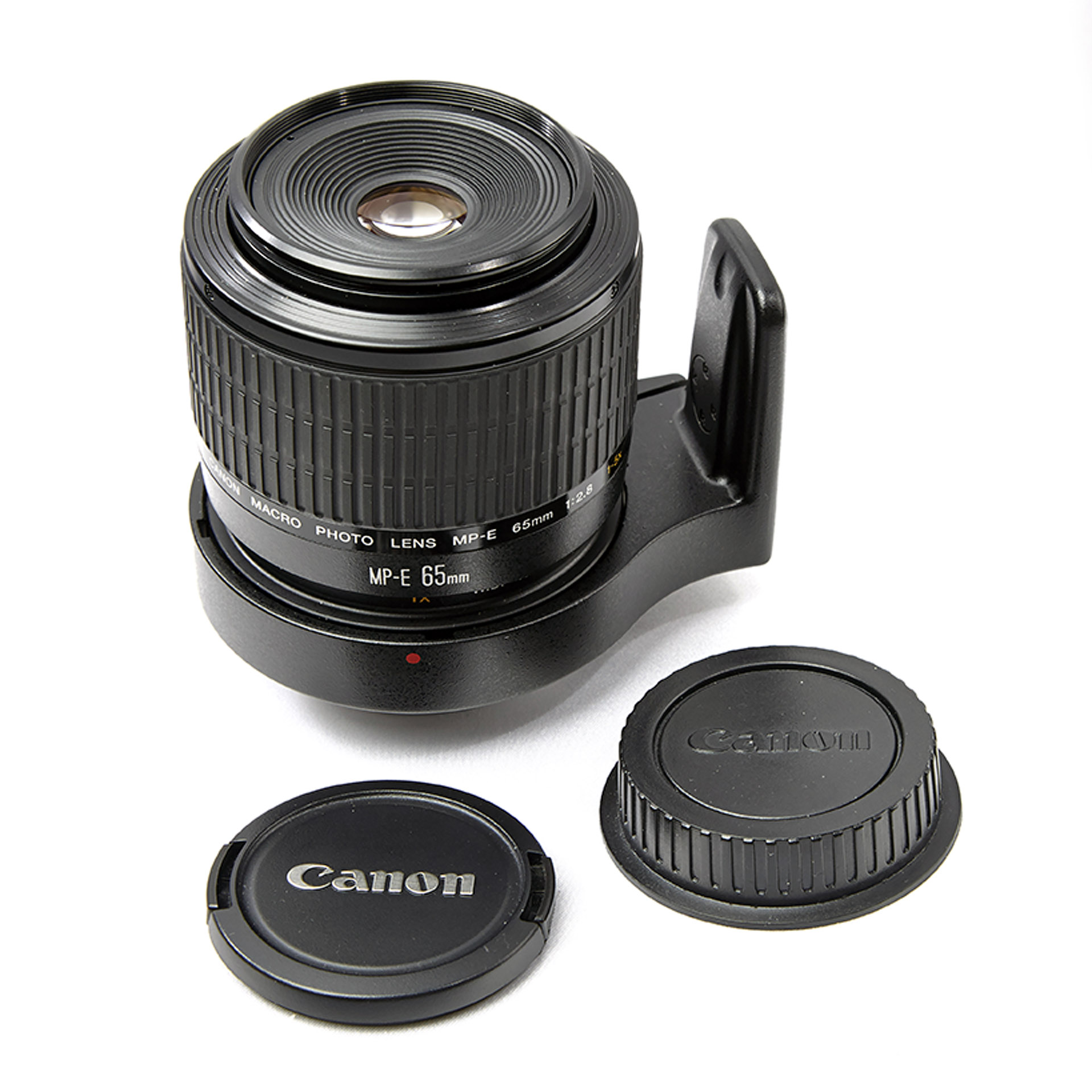
65/3.5 Elmar Viso lens designed for macro work. This lens was made for the Visoflex system only and does not mount directly to your camera for rangefinder coupling. The shortest M focal length focusing to infinity with the Visoflex system. It has a great reputation, and is generally considered one of the best M Lenses.
Chrome version 1960-69
Black version, 1969-1985 rarer by about a 4-1 ratio in my own experience, improved optical formula.
66/2 Elcan Leitz Canada
73/1.9 Leitz Hektor(1931-1946), Leica’s first prewar high speed portrait lens. Not a particularly sharp performer by today’s standards, a collectible. Black, uncoated, watch out for fogging and cleaning scratches.
75/0.85 Summar Leitz
75/1.4 Summilux introduced in 1980. Superb reputation. Personally, it’s just too short for my tastes to be a viable portrait lens. All 75/1.4 Summilux are low production future collectibles. The extra 25% focusing accuracy of the M3 or new 1998 M6 .85 will make a difference with this lens. A big heavy lens with a great reputation and many enthusiastic fans.
First version with detachable hood. Relatively rare, E58 filters
Second version from number 3223300 with built in hood, E60 filters All versions to this point made in Canada.
Third version. German made after Hughes sold the Midland Ontario Canadian Elcan plant to Raytheon and production moved back to Germany in 1998. Though not announced yet, this version is said to be smaller than it’s predecessor.
75/2 Astro-Berlin Gauss-Tachar
80/2.8 Rollei Made for the Rollei 35 RF introduced in January 2003, a re-badged and much more expensive Voigtlander Bessa R2. Believed to be Zeiss glass, in a Cosina made barrel, assembled in Germany by Rollei. Said to be an excellent performer, however it will probably be a rare lens due to slow sales. This is believed to be the same lens used on the Rollei twin lens.
85/1.5 Leitz Summarex (1943-1960): rigid, large lens shade, rare and expensive lens. pre-war lenses black, post war chrome. Watch out for fogging and cleaning scratches
85/2.8 Steinheil Culminar: A friend of mind swears by this inexpensive lens
90/1 Elcan
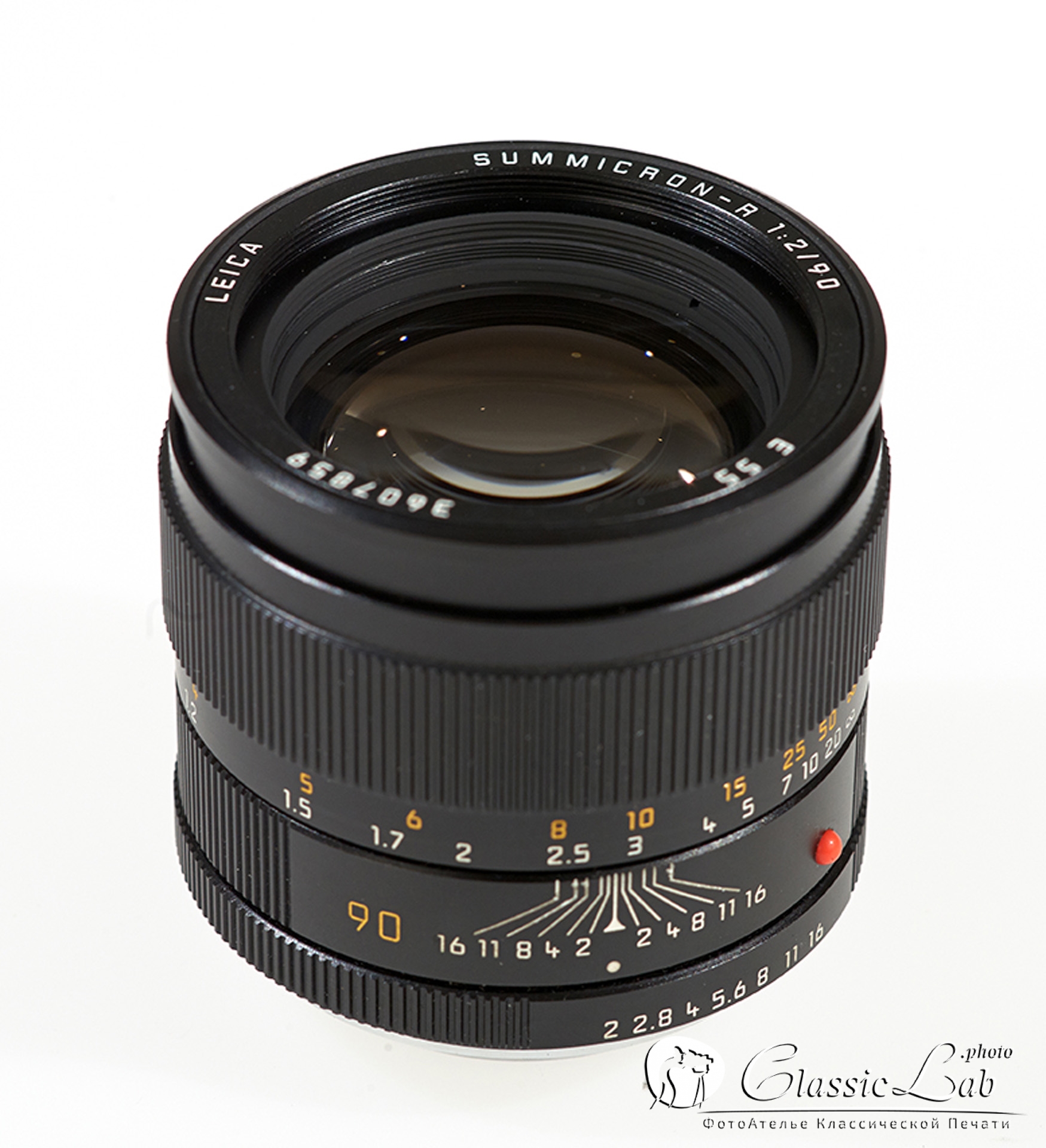
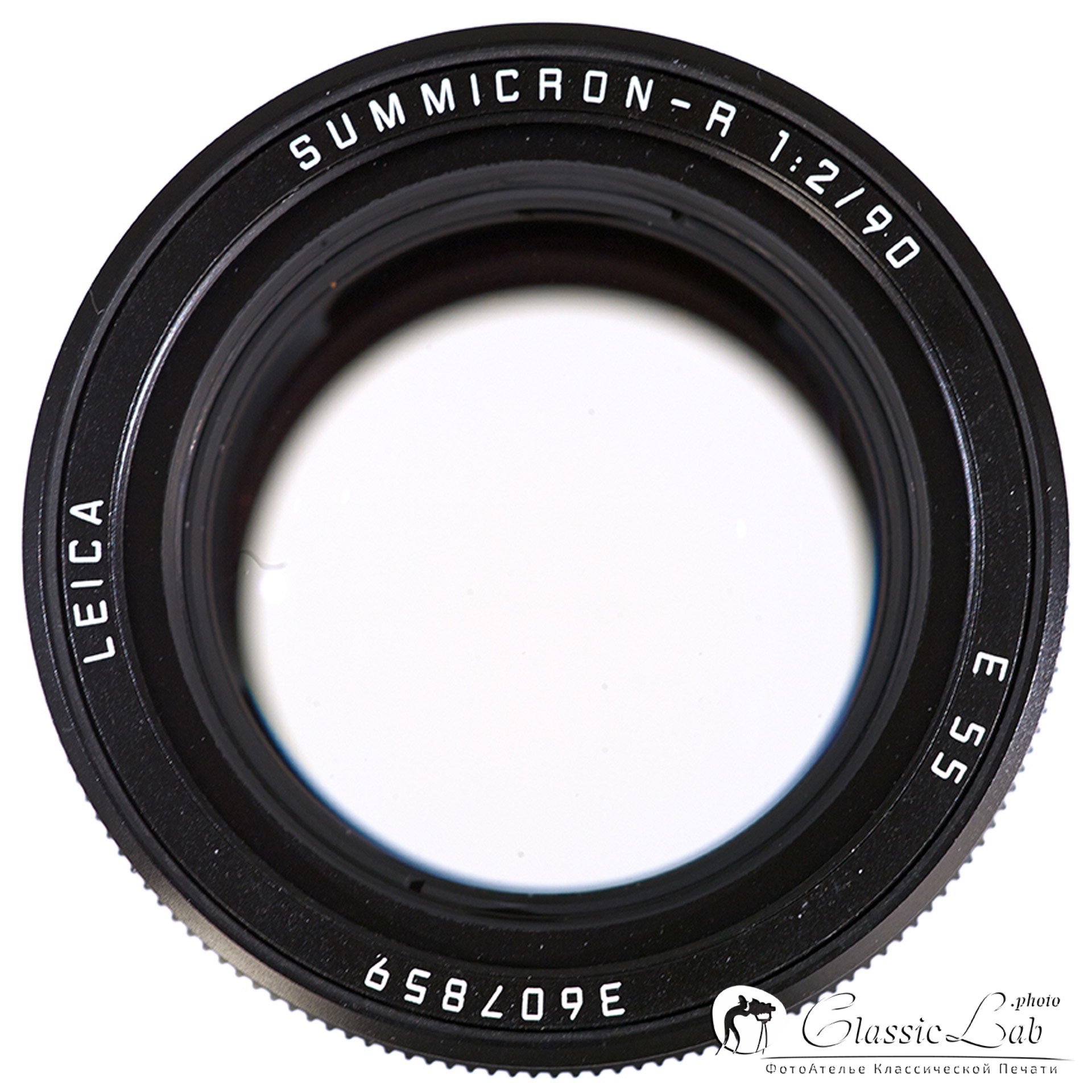
90/2 Summicron This is a very long lived lens, introduced in 1957 with many minor variations and two major versions. Not generally recognized is all 90 Summicrons are low production lenses. From a collector’s standpoint, nice original style chrome versions are VERY under priced relative to their rarity.
- Original Chrome version with detachable Viso Head and detachable hood
- Chrome large version with detachable Viso Head and built in hood
- Black large version with detachable Viso Head and built in hood, no “90” on barrel
- 1980 Black Compact version, only about 2/3 size of earlier lens, with “90” on barrel, when built in hood retracted, hood covers the aperture scale. Performance between the larger and compact versions generally considered to be very close. Compact version does not have detachable lens head for Viso use.
- 1982 Black Compact version with “90” on barrel, retracted hood no longer covers aperture
- 1992 Chrome Compact version introduced, discontinued 1998.
90/2 Summicron ASPH Aspherical lens, 1998. Likely to turn out the sharpest of all 90 M lenses. In December 2001, Leica announced 500 90/2 APO Titanium lenses would be made to match their newly introduced limited edition .72 M6 TTL Titanium body.
90/2.2 Thambar Portrait Soft Lens
90/2.8 Elmarit 1959-1974, detachable lens head for Viso work. Two variations, chrome and black, same optical formula. Easy differentiated from later 90/2.8’s due to NO built in lens shade. Likely to be encountered fogged from original owner, see Fogging.
- Chrome version, the most numerous by about 3-1
- Black version, hard to find
90/2.8 Tele-Elmarit “Fat version” 1964-7 This was Leica’s first attempt to produce a compact 90/2.8 lens. Generally considered to be a good performer, but exceeded by the lenses that followed it. Now getting hard to find.
- 1964-7 “Fat” version Almost all are black, chrome is very rare.
- 1967-74 “Fat” version, all black
90/2.8 Tele-Elmarit 1974-1989 “thin” version This smaller Tele-Elmarit version has the honor of being the smallest and lightest 90/2.8 ever made for the M Leica. Amazingly, despite being one stop faster, it is virtually the same size as the 90/4 Elmar made for the Leica CL. It is an outstanding choice as a travel lens. While some have complained about its sharpness, others have praised it. Modern Photography rated it sharper than the 90/2 Summicron–something of a surprise to many photogs.
This version has a chronic problem to look out for which shows up in my experience about 5% of the time. For reasons unknown, it can develop a severe etching of the rear element. The problem can be stopped in the early stages by a professional cleaning of the lens elements. If it has proceeded too far, however, cleaning will do no good and the damage is permanent. Unfortunately this turns the Tele into a nice paperweight, since the rear elements of this particular lens are a sealed unit — making it too expensive to replace even if you could find the elements.
I long believed the problem was the result of animal based lubrication attacking the glass. I had my Tele relubed to alleviate the problem — and it hasn’t shown up. Mr. Horst Braun, the Manager of the Leica repair department, firmly believes this is not true, since the same lubricant used in Tele-Elmarit is used in other Leica lenses. He suggest the problem may be a lens fungus…but why it should attack this particular lens design more than others is unexplained. Leica is looking into the problem.
- The rarest and most expensive thin Tele-Elmarit is the chrome version, produced in very limited quantities before being discontinued in favor of black only.
- The great majority were produced in Canada, “Made in Germany” engravings are rare
- Common black version, made in Canada without “90” on barrel
- 1983 engraved “Leica 1913-1983” to match the 70th Anniversary M4-P
- The very late version with “90” on lens barrel
- All of the above are cosmetic variations, with the same optical formula
90/2.8 M Elmarit A compact lens introduced in 1989. Many believe this to be the sharpest 90 M lens. Same glass as the R version. Head not detachable for the Visoflex, surprisingly heavy for a 2.8 lens. “90” on barrel, built in hood. The 90/2.8 is expected to be discontinued in 2003 with the introduction of the 90/4 Macro Elmar.
- Black version from 1989, recognized because of built in hood
- Chrome version introduced 1997
- Titanium version introduced 1998, limited production future collectible for classic Titanium M6
90/2.8 Konica M, for Konica Hexar RF, relatively inexpensive compared to Leica glass
90/3.5 Voigtlander ApoLanthar: To be introduced at Photokina 2000. 6 elements, 5 groups, close focus 1.2 meter, filter size 39mm, smallest aperture f/22, black or chrome. add the bayonet adapter to use on your M. The only modern multi-coated 90mm screw mount lens in production.
90/4 Macro Elmar introduced September 2003. This is a unique innovative Leica lens design. It is the first close focus RF coupled longer than 50mm lens ever for the Leica M system. It is a collapsible 90/4, available in chrome or black. In collapsed position it is about the same size as a 50/2 Summicron. Close focus without close up adapter .76 meter. Close focus with “eyes” adapter similar to the classic 50/2 Dual Range Summicron .5 to .77 meter, to a maximum of 1:3. Unfortunately the close focus adapter will NOT work with other Leica 90’s. Filter size is 39mm. The lens hood is thankfully detachable and also reversible.
90/4 Elmar This is an older chrome lens from the 50’s. OK optically, but the later lenses are better and faster too. Still, the 90/4 rigid offers the most for the least for the pocketbook.4 elements. Under appreciated today and one of the least expensive M lenses. Even older black 90/4 Elmars from the ’30s are uncoated, but can still give a very nice “vintage” look to your B/W or color shots.
- Chrome rigid 1954-1963. Small, lightweight Tele, generally under priced in today’s market. Detachable head for Viso work. Chrome barrel with black vulcanite ring at base. Earlier lenses E36 filters, later ones E39.
- Chrome Collapsible 1954-1968 It’s claim to fame is that collapsed, it will fit inside a M series EV case.
- Chrome 3 element “straight sided” Elmar. A relatively rare lens for collectors.
90/4 Elmar and Minolta 90/4 Rokkor made for the Leica CL and Minolta CL 1973-1977. These are really the same lens, both made by Leitz. Sharp and lightweight lens, the RF cam comments of 40/2 Summicron also apply to this lens. Almost identical size to second version of 90/2.8 Tele-Elmarit. For more info see CL profile.
90/4 Minolta Rokkor made for CLE. 1982-85 Multi-coated. Traditional Leica cam. Easily differentiated from the earlier 90/4 Rokkor because serial number is on lens barrel instead of on the filter ring. Almost identical size to second version of 90/2.8 Tele-Elmarit. For more info see CLE Profile.
100/2 Astro-Berlin Gauss-Tacha
105/6.3 Leitz Elmar(1932-1937): the lightweight 1930’s hiking lens. a collectible.
125/2.5 Leitz Hektor(1954-1963): a high speed collectible today, but with an excellent reputation for sharpness. This is a short mount lens which is designed to be used on a bellows for focusing, which also means it is easily adaptable to other bellows, other camera makes.
135/2.8 Tele-Elmarit 1963, discontinued 1997, is a rather large lens with a built in 1.4x optical magnifier to increase the size of the camera’s frameline and accuracy of the camera’s focusing. This allows you to effectively use the larger 90 mm frameline on your M2/4/5/4-2/4-P/6. This increase in focusing accuracy also works with the earlier M3. Not a popular lens on the used market due to its large size. All versions are black, with detachable lens head for Viso work and built in hoods.
- Focusing ring with heavy ribs, magnifier attached by screws
- Focusing ring with heavy ribs, magnifier cast into lens body
- Focusing ring with fine ribs
- 1975 Two piece extendable hood became one piece, optical design now same as R lens
- “135” added on barrel
135/3.4 APO Telyt M 1998, currently the only M 135 lens, and the sharpest M 135 ever.
135/4 Elmar 1960-65 Chrome, although a few may be in black. Sharper than the Hektor, detachable lens head Viso work.
135/4 Tele-Elmar 1965-1998. Black only. Outstanding performance, very popular, long lived lens.
- First Version, detachable lens head, detachable hood, no “135, ” knurled focusing barrel
- Second Version, non detachable lens head, built in lens hood, no “135,” ribbed focusing barrel, from 1985
- 1993 Third Version “135” on barrel with built in hood
135/4.5 Hektor 1954-60 Chrome lens with detachable lens head for Viso work. Generally the most inexpensive used M lens. Very plentiful on the used market, but not a bad performer. Suddenly made popular by a 1997 article in the Leica Viewfinder, much to the astonishment of dealers who were previously unable to give the lenses away.
Lenses Longer than 135 mm require the Visoflex system, which essentially converts your Leica into a large and clumsy SLR.
My advice is to junk the Visoflex and use it as a paper weight, while using the Visoflex lenses adapted to your favorite SLR. See Viso 4 Profile. To be fair about it, some photogs love the Viso system. I suspect they were dropped on their head as a baby.
All Visoflex lenses are relatively hard to find today. The later the lens, the better the performance and the higher the price. Yet, they still offer bargain performances compared with the often identical lenses in R mount.
180/2.8 Elmarit was made in very limited quantities for the Visoflex — now a prized collectible.
200/4 Telyt Black
280/4.8 Telyt 1970-84 Black only. Improved formula after 2340953
400/5.6 Telyt 1966-73 Black only, has built in rapid focusing mount with “squeeze” pull/push focusing. Much harder to find than the 400/6.8 lens
400/6.8 1968-84 Black, came with an interesting shoulder stock, dismantles into two parts, the easiest to find of the M long lenses.
560/5.6 Telyt 1968-73 Black This is much harder to find than the 560/6.8 lens. Sold with a shoulder stock. Dismantles into two parts.
560/6.8 Telyt 1971-84 Sold with a shoulder stock. Dismantles into two parts.
1.5x Leica Teleconverter: Unfortunately this is an almost unknown ultra rare prototype. I am including it here in the hope that if enough of you email Leica, perhaps they will be convinced there is indeed a market for it. Leitz Canada produced a prototype RF coupled 1.5x Teleconverter in the 1980’s. Estimated production 10. The idea was to discontinue the 135 lens, and replace it with the 90 and a 1.5 Teleconverter. The 135 lived on, the Teleconverter died. Leica seems to be missing the point and convenience of Leica photogs having 1.5x, 2x, and even 3x converters. The rear mount should be Leica screw mount, not only to allow its use on screw mount bodies, but also to allow M users to use the appropriate screw mount to bayonet converter to bring up the framelines of their choice. The front mount should be Leica M, to allow the use of both M lenses and Leica screw mount lenses with the bayonet converter. Not only would a 2x turn your 135 into a 270, it would also be very useful for close-ups since the closest focusing distance remains the same while the image size increases by the Teleconverter magnification size.